


“We use pyrolysis as the chemical process to convert complex plastic waste into new products,” explains Norner’s Director of Sustainability, Thor Kamfjord.
He is standing in front of what he describes as a “ground-breaking” pilot facility for chemical plastic recycling, located at Norner’s premises in Porsgrunn. A typical example of “hard-to-recycle plastic” that the facility will be able to receive is labels from beverage bottles made of PET plastic, which currently end up being incinerated.
This is an important step towards meeting the EU requirements for 2030, which stipulate that all types of single-use plastic bottles must contain a minimum of 30 per cent recycled plastic.
Giving plastic a new life
“What we get out of it is pyrolysis oil,” says Kamfjord, pointing to a small bottle containing a golden, transparent liquid. He continues:
“Our goal is to get this back into new plastic raw material production. This gives us a material made from recycled plastic, which can be used, among other things, for medical applications and in food packaging.”
Minister of Energy Terje Aasland has personally been given a tour of the pilot plant. He believes the project is fully in line with the climate and environmental targets that have been set.
“We need to manage plastic and the environmental issues associated with it, and bring it into a circular process. That is why this is an incredibly exciting project.”
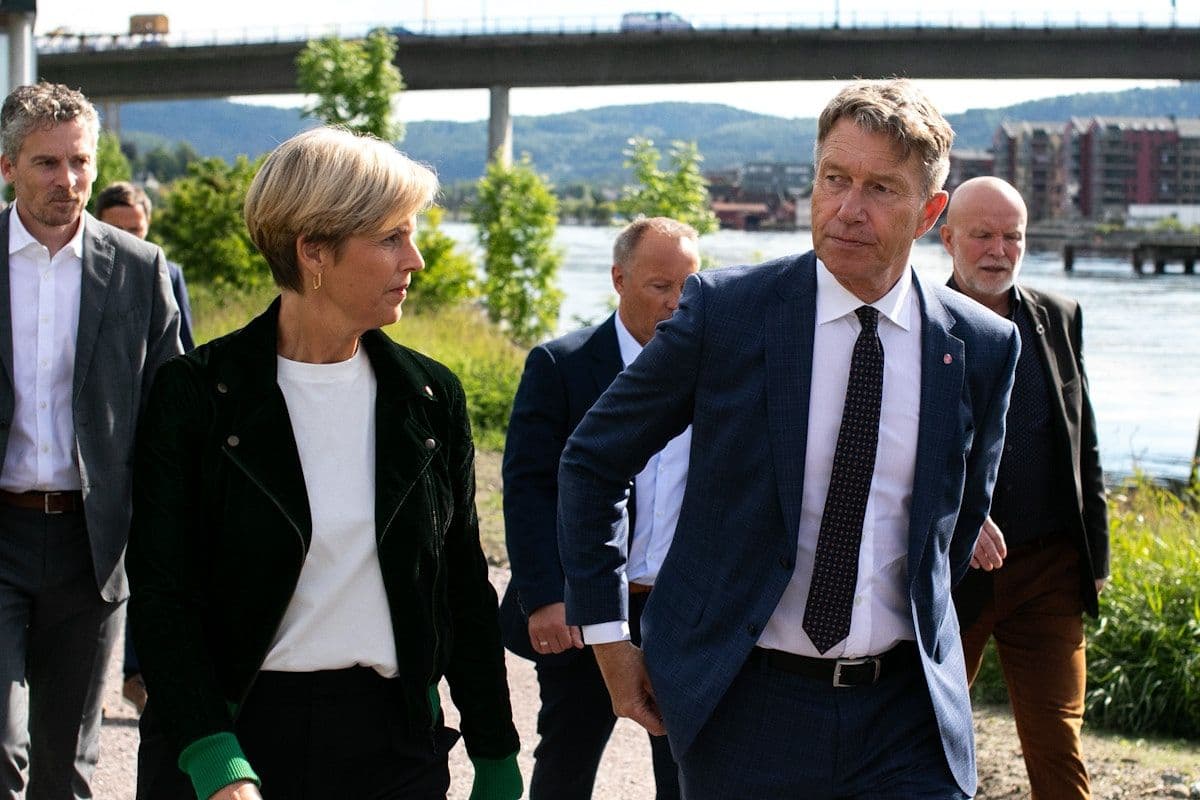
Minister of Energy Terje Aasland is impressed by the project. Here during a tour together with Cecilie Lind, CEO of The Norwegian Retailers' Environment Fund. Photo: Fride Rivø Lie
Important for the future
CEO of The Norwegian Retailers' Environment Fund, Cecilie Lind, says that an important reason why they chose to invest in the project is that chemical recycling will be absolutely essential for the Norwegian plastics system to become climate neutral. This is highlighted in a major report series financed by the Fund.
“In addition, very interesting stakeholders have come together in this project. It is a strong knowledge environment, both in plastics and in process industry. The combination of the two makes us very curious to see what they will achieve through this pilot project, which is now very well under way,” says Lind.
She hopes that the project will prove that chemical recycling is capable of handling some of the materials that are difficult to recycle mechanically.
“It will be a valuable contribution to enabling us to reuse larger parts of the plastic again and again in the future, so that we can avoid extracting oil to access new plastic materials – which we will, of course, continue to need in the future as well,” she concludes.
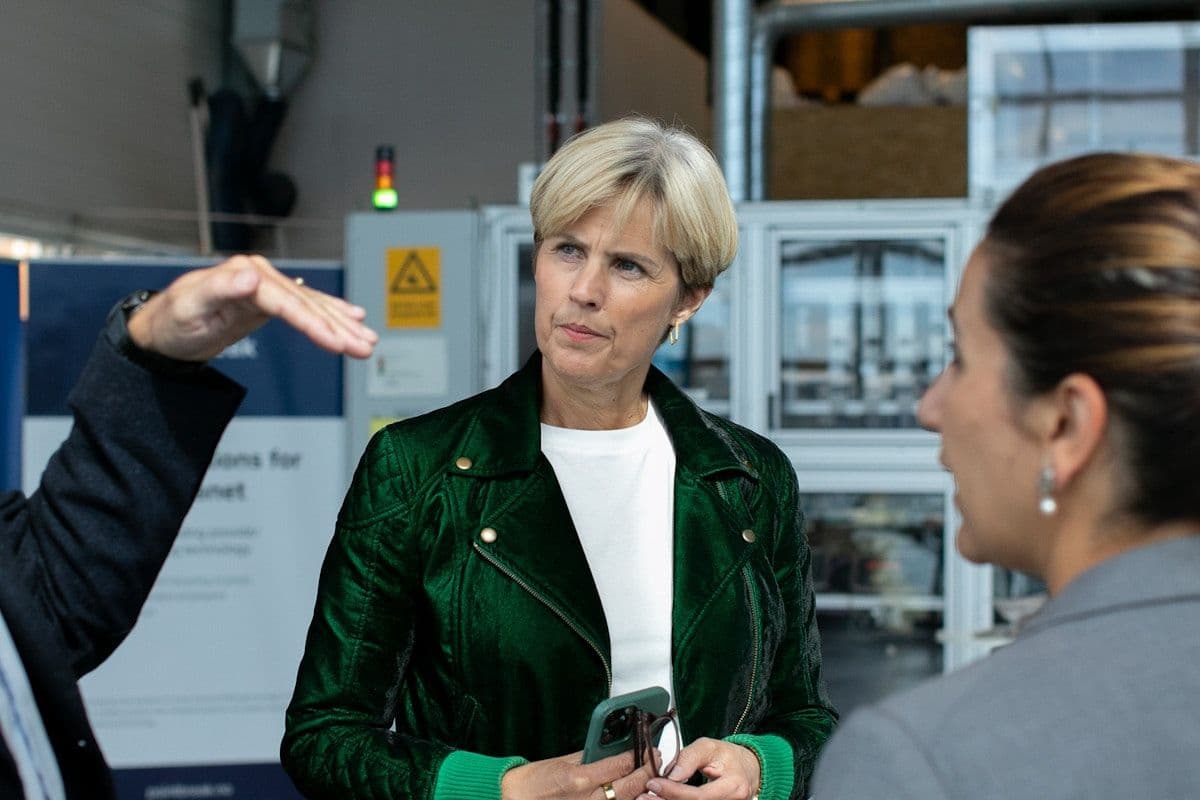
Lind believes that chemical recycling could be an important part of the future management of plastic waste. Photo: Fride Rivø Lie
“This technology is unique because we carry out a pre-treatment process that ensures any problems that would otherwise end up inside the pyrolysis reactor are dealt with in advance. Another thing that is unique is that the residence time in the reactor is only seconds, not half-hours, as in other facilities.”
Kamfjord explains that this is important because it is essential to be able to run the necessary processes with the lowest possible energy consumption. A third aspect that is unique to the project, Kamfjord says, is that the oil they extract is very pure.
“It has been tested by major international players that are used to handling the conventional raw material source for plastic. Our goal now is to be able to say to them: ‘What you get from plastic waste is just as good as what you get from fossil-based raw material sources,’” he concludes.


